
PPC
The Ultimate PPC Beginners Guide
Everyone explains what PPC is. Almost nobody explains what actually happens inside a campaign
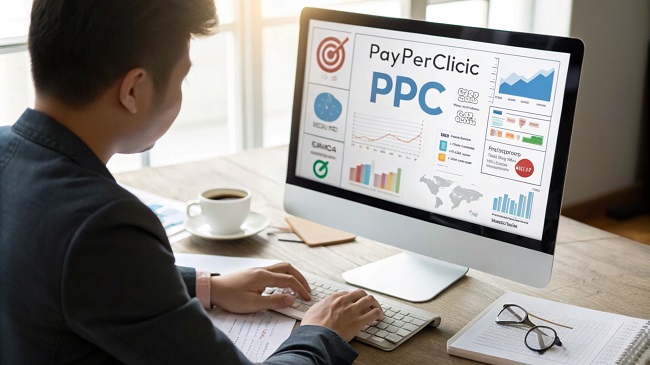
Everyone explains what PPC is. Almost nobody explains what actually happens inside a campaign, which is the part that trips up most people trying PPC for the first time. This guide covers both.
What is PPC, in plain terms
PPC stands for pay-per-click. It’s a form of online advertising where you pay each time someone clicks your ad, rather than paying a flat fee for it to simply be shown. What is PPC in digital marketing terms, more specifically: it’s the mechanism behind search ads, shopping ads, and much of display and social advertising. You bid for placement, and you’re only charged when someone actually clicks through.
What is PPC marketing, versus PPC advertising
The two get used interchangeably, but there’s a useful distinction. PPC advertising refers to the ad mechanism itself. PPC marketing is the broader strategy around it, deciding what to advertise, to whom, with what message, and how it fits into everything else you’re doing. Beginners tend to focus on the advertising mechanics first and pick up the marketing strategy as they go, which is a reasonable order to learn it in.
What is a PPC campaign made of
Every PPC campaign breaks down into the same core pieces, regardless of platform:
- Keywords, the search terms you’re bidding to show up for
- Ad groups, clusters of closely related keywords, each with its own tailored ad copy
- Ad copy, the actual headline and description text a searcher sees
- Bids, how much you’re willing to pay per click
- Landing page, where the click actually sends someone
- Budget, your daily or campaign-level spending cap
Get any one of these wrong and it drags the whole campaign down, no matter how well the others are built. A great ad sending traffic to an irrelevant landing page wastes the click just as thoroughly as a bad ad would.
PPC for beginners: the mistakes that waste the most budget
Using broad match keywords with no negative keywords. Broad match shows your ad for loosely related searches, including plenty that have nothing to do with what you’re actually selling. Without negative keywords filtering out irrelevant searches, this is the single fastest way to burn through a budget on clicks that were never going to convert.
Sending every ad to the homepage. A dedicated landing page matching the specific ad and keyword converts considerably better than a generic homepage, because it doesn’t force the visitor to go looking for what the ad promised.
Ignoring quality score. Platforms reward relevant, well-matched ads with lower costs per click. A low quality score means paying more for the same position a better-matched competitor gets for less.
Turning a campaign off too early. New campaigns need time and data to optimize. Judging performance after two days, before the algorithm has learned anything, usually leads to shutting down something that would have improved.
Not tracking conversions properly. Without conversion tracking set up correctly from day one, you’re optimizing based on clicks and impressions instead of what actually matters: sales, leads, bookings. This is the most common gap in PPC campaign audits and it quietly undermines every other decision made in the account.
What PPC management and optimization actually involve, once it’s running
PPC management is the ongoing work of monitoring and adjusting a live campaign: reviewing which keywords are converting versus wasting spend, testing ad copy variations against each other, adjusting bids based on performance, and refining who the ads target. PPC optimization is the specific, continuous process of improving results from what’s already running, better keyword targeting, tighter ad copy, stronger landing pages, rather than a one-time setup task. A campaign that’s launched and left alone rarely performs as well six months in as one that’s actively managed.
Platform differences worth knowing early
Google Ads PPC for beginners is usually the natural starting point, highest search volume, most direct intent, most beginner resources available. Amazon PPC for beginners is a different game entirely: you’re competing within Amazon’s own marketplace, optimizing for the buy box and product visibility rather than sending traffic to your own website. Social platform PPC leans more toward reaching people who weren’t actively searching but might be interested once they see it. Most businesses eventually run more than one, but starting with just one platform and learning it properly beats spreading a small budget too thin across several at once.