
ppc advertising
Top Benefits of Using PPC Advertising for Businesses and Brands
Pay-per-click advertising is the fastest way to put your business in front of someone who’s actively searching for what you sell.
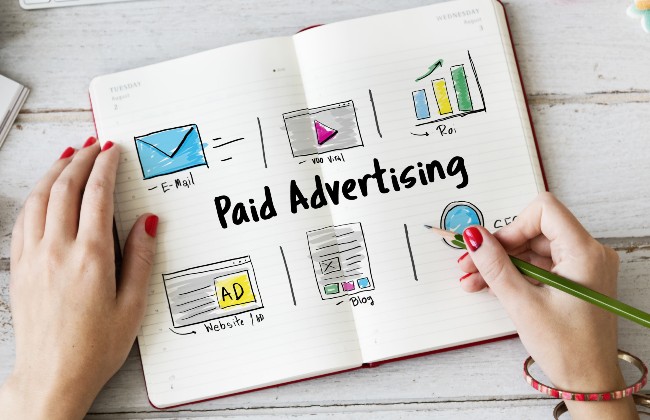
Pay-per-click advertising is the fastest way to put your business in front of someone who’s actively searching for what you sell. Not eventually, once your SEO catches up, but today, this afternoon, as soon as the campaign goes live.
That speed is the headline benefit, but it’s not the only one, and it’s worth understanding what PPC advertising actually does before deciding whether it belongs in your marketing mix.
What PPC advertising actually is, quickly
Pay-per-click, or PPC, means you pay each time someone clicks your ad rather than paying a flat fee to have it shown. Google Ads is the most familiar example, but the same model runs across Amazon, Bing, and social platforms. You bid on placement. You’re charged per click, and you only pay when someone actually engages.
The real benefits
Speed. SEO can take months to show meaningful movement. A well-built PPC advertising campaign can start driving qualified traffic the same day it launches. If you need results this quarter, not next year. That difference matters.
Precise targeting. You can target by keyword, location, device, time of day, and audience demographics, often all at once. A local plumber can show ads only within a 15-mile radius, only during business hours, only to people searching “emergency plumber near me.” That level of control isn’t available through most other channels.
You only pay for actual interest. Unlike a billboard or a print ad that people see and forget instantly, PPC only charges you when someone actually clicks. That click means real interest, not just a passing glance.
Complete budget control. Set a daily cap, and that’s your ceiling. Nothing forces you to spend more than you’ve decided to. That predictability is rare in advertising.
Data you can actually use. Every campaign generates numbers on what worked and what didn’t. Which keyword converted. Which ad copy got clicked more. Which landing page held attention. That data feeds directly back into making the next campaign better, which is something organic strategies take far longer to surface.
It works alongside SEO, not against it. Running PPC advertising and SEO together means you show up in both the paid and organic sections of a results page. That double visibility builds more trust than either one alone, and PPC can cover ground while your organic rankings are still catching up.
Where the results actually come from
A search campaign shows text ads to people actively searching a keyword, highest intent, generally highest cost per click. A shopping campaign shows product listings with images and price directly in results, common for ecommerce. A display campaign puts banner ads across a network of other websites, better for brand awareness than immediate conversion. Amazon PPC advertising works specifically within Amazon’s own marketplace, putting your product in front of shoppers already comparing options on the platform.
Most businesses that get real value from PPC aren’t running one of these in isolation. They’re combining search and shopping, or search and display, depending on what stage of the buying journey they’re trying to reach.
Managing it yourself versus hiring it out
Running PPC advertising management yourself is possible, and plenty of small businesses start there. The learning curve is real, though, bidding strategy, negative keywords, quality score, ad copy testing all affect cost per click more than most people expect starting out, often in ways that only become obvious after watching a budget disappear on the wrong settings.
A PPC advertising agency or firm brings that experience already built in, along with software most individual businesses don’t have access to. The tradeoff is cost: agency fees typically run either a flat management fee or a percentage of ad spend, on top of what you’re paying the platform itself. Whether that’s worth it usually comes down to how much budget you’re managing, a company spending a few hundred dollars a month often does fine running it in-house, while five-figure monthly budgets usually justify professional management on efficiency alone.